

Imagine a billion-dollar idea that completely shakes up an industry. Typically, you might picture fancy new inventions or super complex tech stuff, right? But sometimes, the next big thing is just a clever and straightforward solution that revolutionises the way things work. That's exactly what Nomad Fleet is all about.
Founded by civil engineer Will Smith, Nomad Fleet was built with a clear ambition: to become the operating system for the construction industry.
“Construction, industrial, and civil engineering companies have large assets like bulldozers, often fleets of them, that are worth millions of dollars and that they need to maintain. Over 60% of the industry still uses paper forms as a part of their fleet management process, losing valuable data. What our product Nomad Fleet does, is provides a digital system that enables real time visibility by connecting the job site to the office, all the way through to the workshop. Because Nomad Fleet automates the entire end-to-end process with a simple system, fleet owners minimise asset breakdowns with accurate data, stay compliant and move from reactive to proactive fleet management saving thousands”, Will summarised
Laying the foundation
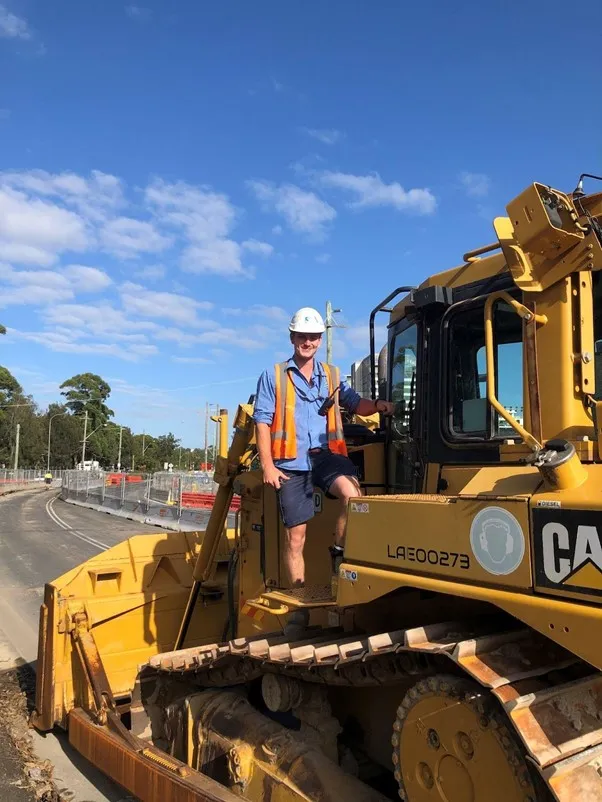
Will’s journey started on-site. Beginning as a labourer and working his way up to project engineer, he experienced firsthand the inefficiencies of managing assets through paper-based systems. He also saw companies attempt to solve the problem with custom-built software—often expensive, complex, and unsustainable.
The idea for Nomad Fleet took shape during an MBA entrepreneurship class.
“I was in an MBA class and we were supposed to come up with a business idea. My whole class was coming up with these crazy ideas for innovative technologies,” Will recalls.
“One class, I just started reflecting back on my industry, and came up with a concept Uber for construction plant hire. From there I was obsessed, and 16 months later I was the only person to leave my MBA class continuing to work on a startup idea.”
Using low-code tools, Will launched a marketplace that generated over $1.2M in gross revenue within nine months. But as he scaled, the original pain point became even clearer: fleet management itself was broken.
That insight led to a pivot away from the marketplace and toward building a dedicated fleet management platform.
Breaking ground and building fast
Six months after the pivot and the launch of the MVP, Nomad Fleet reached its first $100k in annual recurring revenue.
In that same short timeframe, the company raised capital, secured early customers, made its first hire, and established an office, laying the groundwork for national expansion.

With strong early traction, Will began thinking about how to accelerate growth even further: expanding internationally, refining the product, and learning from others who had scaled B2B SaaS businesses before.
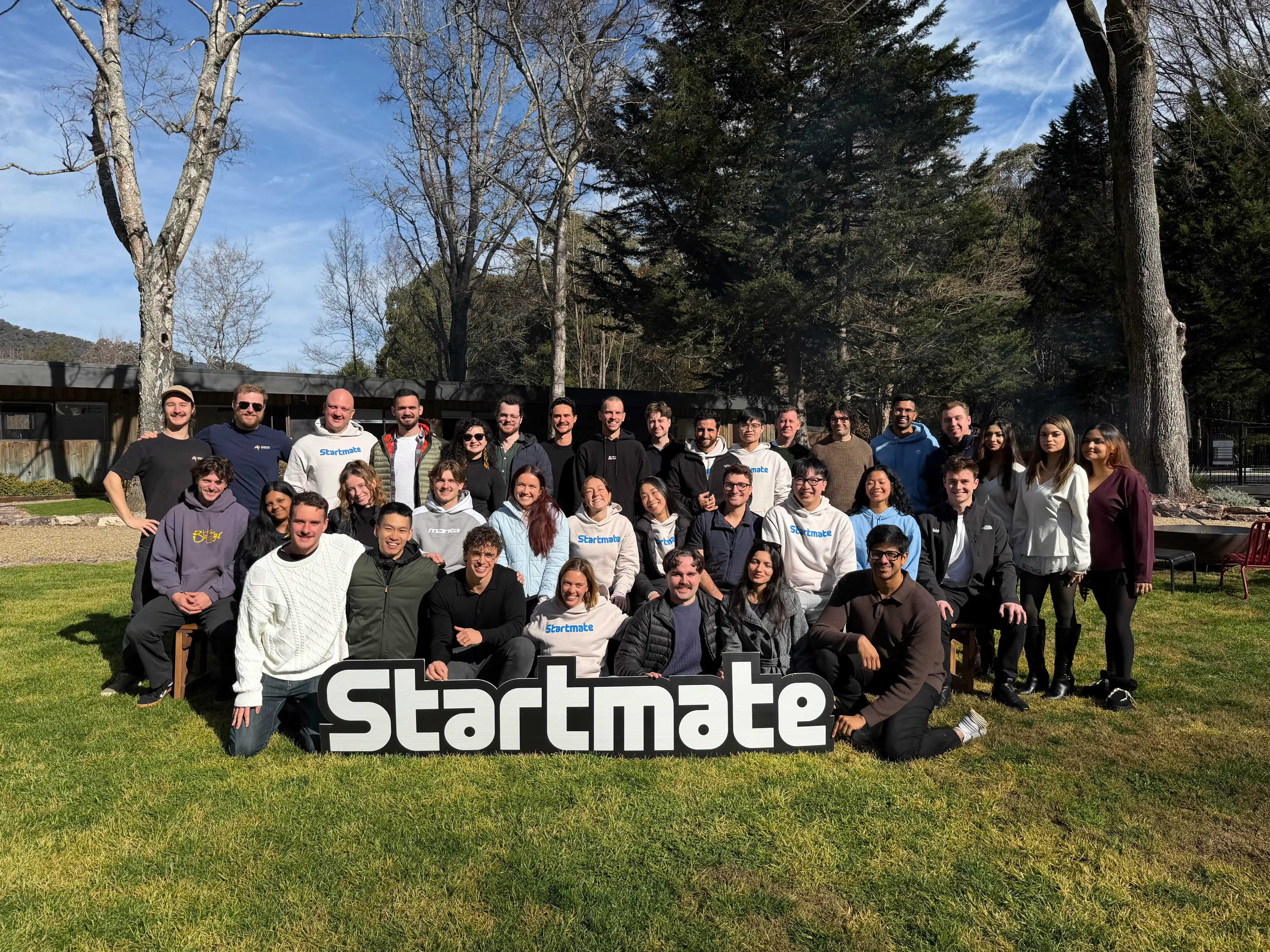
That led him to join Startmate’s Accelerator program.
“A vital next step for us was to surround ourselves with people who have scaled B2B SaaS. Startmate provided us with the stepping stone we needed to get to the next stage, and we’ve got a great network of mentors and leads which has helped us,” Will says.
Reaching new heights
What stands out most about Will’s journey is his mindset: a combination of curiosity, adaptability, and relentless learning.
“One of the biggest things that keeps happening to me in this journey is thinking ‘I know what I need to know’ and then having the rug pulled out from under me. As a founder you have to keep adapting based on new data and your intuition. This process of learning has been so exciting for me and it is why I’m driven to continue this journey for years to come with Nomad.”
The vision ahead
Nomad Fleet has a bold ambition: to become Australia’s next construction-tech unicorn.
The focus is clear: continue building a product that is simple, powerful, and delivers measurable value to customers by saving millions in operational inefficiencies.
With a seed round on the horizon and plans to expand into the US before 2026, Nomad Fleet is positioning itself to transform how the construction industry manages its most valuable assets.


.png)
.png)