

For generations, agriculture has been defined by those born into it. Legacies that run deep into the soil and families whose names are stitched into the pasture.
But as the world revolves each year, new challenges arise and with them, a new wave of innovators. Some of those who have never driven a tractor, coded for crops, checked a boundary line, or stared down the barrel of another year with little to no rain.
Yet with them come the skills and opportunities that, alongside Australia’s farmers, could shape the next century of agriculture.
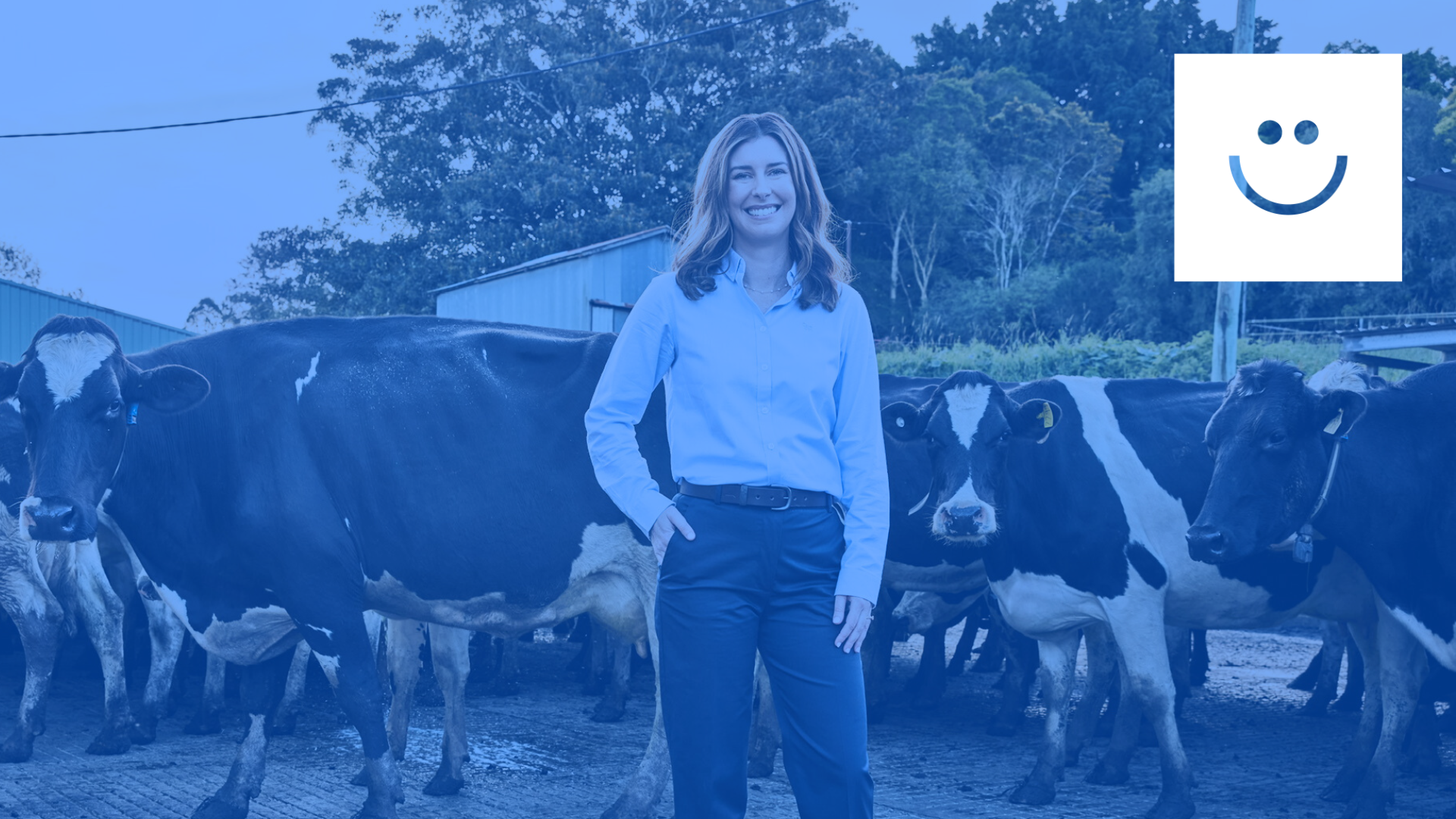
Among them is Victoria Taylor.
Vic is a Canberra-based board director and agri-policy expert who’s spent her career at the crossroads of government, research, and industry.
After our conversation in December last year it became clear that Vic believes the future of agriculture will be written not only by farmers who tirelessly work the land but also by outsiders - founders and researchers who bring new perspectives to old problems and are ready to support those looking to accelerate the future of the agricultural industry.

From Policy to Possibility 🌾
Vic grew up in Perth and moved east for university. Having been drawn to the intersection between government, community, and industry, her career began in agriculture policy, originally in dryland cropping, and eventually with a specialist focus on irrigated crops, like rice, horticulture and dairy.
Now based in Canberra, Vic has turned her attention to biotech and the possibilities for it to support Australia in replacing fossil-fuel-derived materials with renewable ones. Think fuels, plastics and even farm chemicals made through biotech. “Australia is world-leading in this space,” she said, pointing to companies like Startmate portfolio company, Uluu who recently raised $16M Series-A. “They’re using nature to replicate and improve the systems we’ve relied on for generations.”
But after our conversation, what really struck me was Vic’s drive to be the glue between those inside and outside the agricultural bubble.
On Outsiders and Innovation in AgTech 🌐
Bell Allen: You’ve seen agriculture evolve over a long period. What crossovers or movements have you noticed from an innovation perspective?
Victoria Taylor: I think agriculture has always been quite a tribal industry. People tend to hire and collaborate within the same circles. But the most exciting change has been outsiders entering the field. I lived in Boston for a year and met founders with no background in farming or rural America who were applying their skills to agriculture. One tech founder spotted a financial opportunity in agriculture’s predominantly paper-based export processes and was working to digitise rice trade. Another founder was an engineer with a passion for the food system, who created a food-waste solution in fresh produce. There is a great opportunity to embrace expert contributions from diverse disciplines to drive transformation.
Bell: I imagine you’ve also seen how hard it can be to modernise an industry with such strong legacy systems.
Victoria: Oh definitely, and it’s not just tradition, those systems have worked for generations. But now, younger farmers are thinking about how to do more with less, particularly in a changing climate. And many older farmers are too. To stay competitive, they’re adopting new technologies and new thinking. Australia’s been lucky to have strong primary industries, but we can’t rest on that. I believe the next wave of prosperity will come from value-add innovation, things like biotech, quantum, and genetic technologies.
Bell: You also mentioned that AgTech operates on a different rhythm, that innovation there moves slower than in typical tech.
Victoria: That’s right. You can’t iterate weekly when you’re trialling on a crop that grows once a year. It teaches patience. First Believers has made me reflect on the fact that speed and progress look different in AgTech. You’re often working on decade-long problems, not quarterly ones and need to be ready to ask the right questions.
If you ever doubt that innovation is alive in the regions, Vic would tell you to take a closer look. “You can’t go onto a farm without finding something that’s been hacked together. A machine someone’s modified, a system they’ve built themselves,” she said. “There is an opportunity to capture value for farmers who want to commercialise their inventions. That’s AgTech too.”
Why Empathy Might Be AgTech’s Next Frontier 🤝
After decades of shaping agricultural policy, Vic joined First Believers, our angel investing program. When we talked about her decision to join the program, she paused before answering a question that had guided her from the start.“I came in wanting to learn how to scout, evaluate, mentor, and invest in great companies,” she said. “But what I’ve actually learned is empathy. Empathy for founders, for risk, for the messy human side of innovation. It’s completely shifted how I think about who I work with.”
“Not many of the other First Believers work directly with the agricultural industry," she laughed. “But we all speak the same language now: conviction, progress, bias-checking, empathy. It’s an incredible group of outsiders becoming insiders together.”
Building the Future from the Field Up 🪴
“Outsiders are essential,” she says. “They bring the curiosity and skills to solve problems the industry hasn’t yet tackled. The future of agriculture depends on them, and on us inviting them in.”
Vic’s optimism about the future is grounded in something deeper, one of integration and true knowledge sharing across industries. The next agricultural era won’t be driven by any single discipline but by a network of founders, farmers, and innovators working side by side to reinvent what’s possible for the future of Australian agriculture.
The best early-stage investors aren’t career investors, they’re operators who’ve built, scaled and led. First Believers exists to help you translate that experience into conviction at the earliest stages.
Join us in the next cohort!